Temperature-sensitive cargo needs reliable protection. But does every shipment need a heavy, dedicated temperature-controlled container?
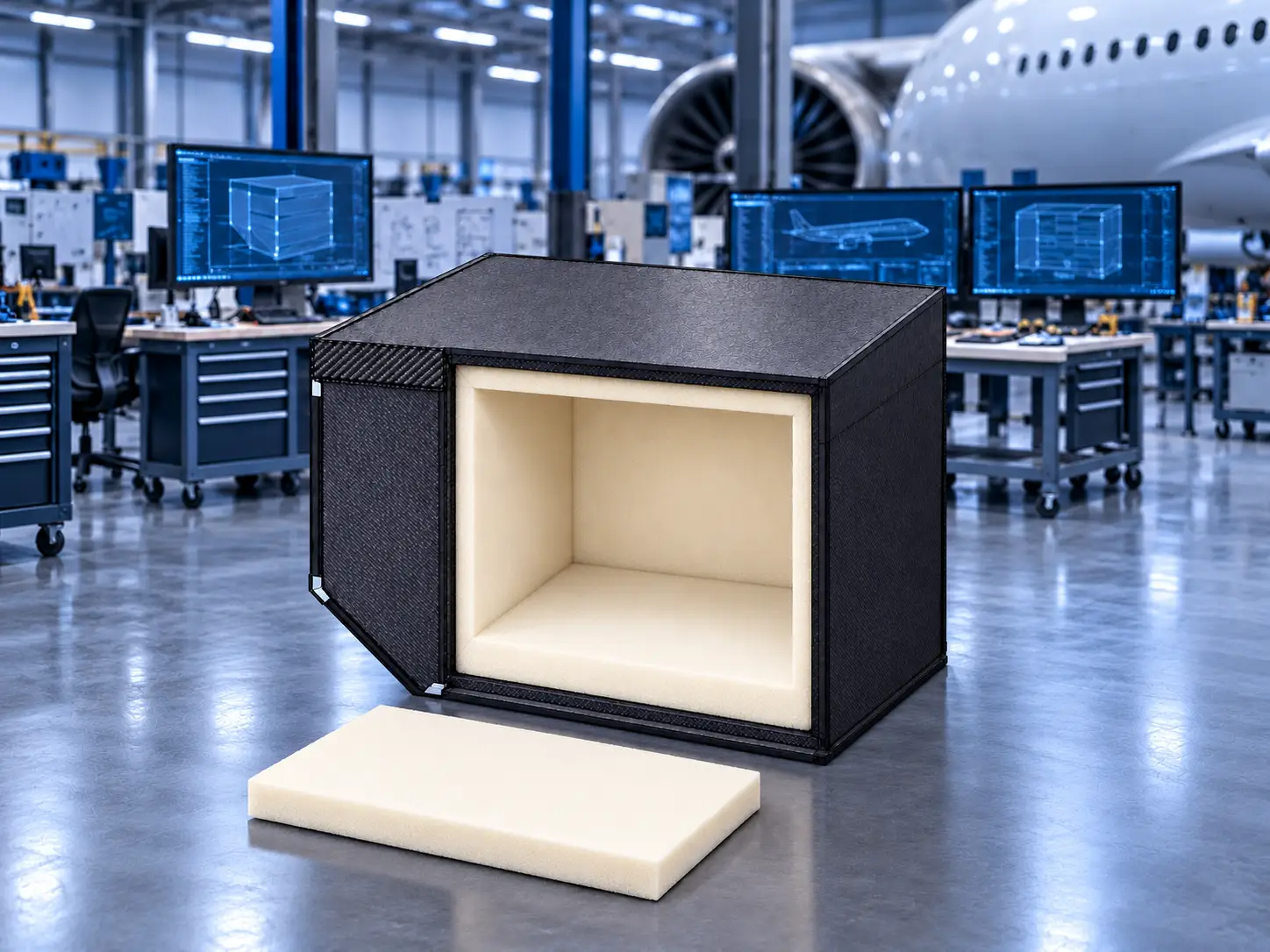
AVULD is exploring a reusable insulated insert inside its lightweight, collapsible LD3 container. Six protective panels would form a removable enclosure, combining PU foam insulation, a waterproof liner and taped insulation joints.
Our starting design uses 50 mm PU foam for chilled cargo and 100 mm for frozen cargo, paired with reusable gel or phase-change coolant packs selected for the required temperature. The foam slows heat transfer; the coolant maintains the temperature.
Compared with dedicated active containers, this approach could reduce equipment weight, avoid powered refrigeration components and offer an alternative to rental bookings and specialized return logistics. Once unloaded, the insulation panels could be removed for reuse and the outer ULD folded for return transport.
The business opportunity extends beyond fuel savings: airlines and shippers could compare the complete cost of insulation, coolant preparation, handling, rental and returning the equipment.
Our development target is a 10–15-hour temperature hold. Chilled and frozen packouts require separate testing for the payload, ambient conditions and route before performance can be claimed. Suitability for pharmaceutical cargo would also require qualification.
Active containers remain valuable where precise control and longer endurance are needed. AVULD’s goal is to develop a lighter, reusable option for routes and cargo where passive cooling can meet the requirement.
Airlines, cargo operators and cold-chain partners: which temperature range and journey duration would you like us to evaluate?
Learn more at avuld.com