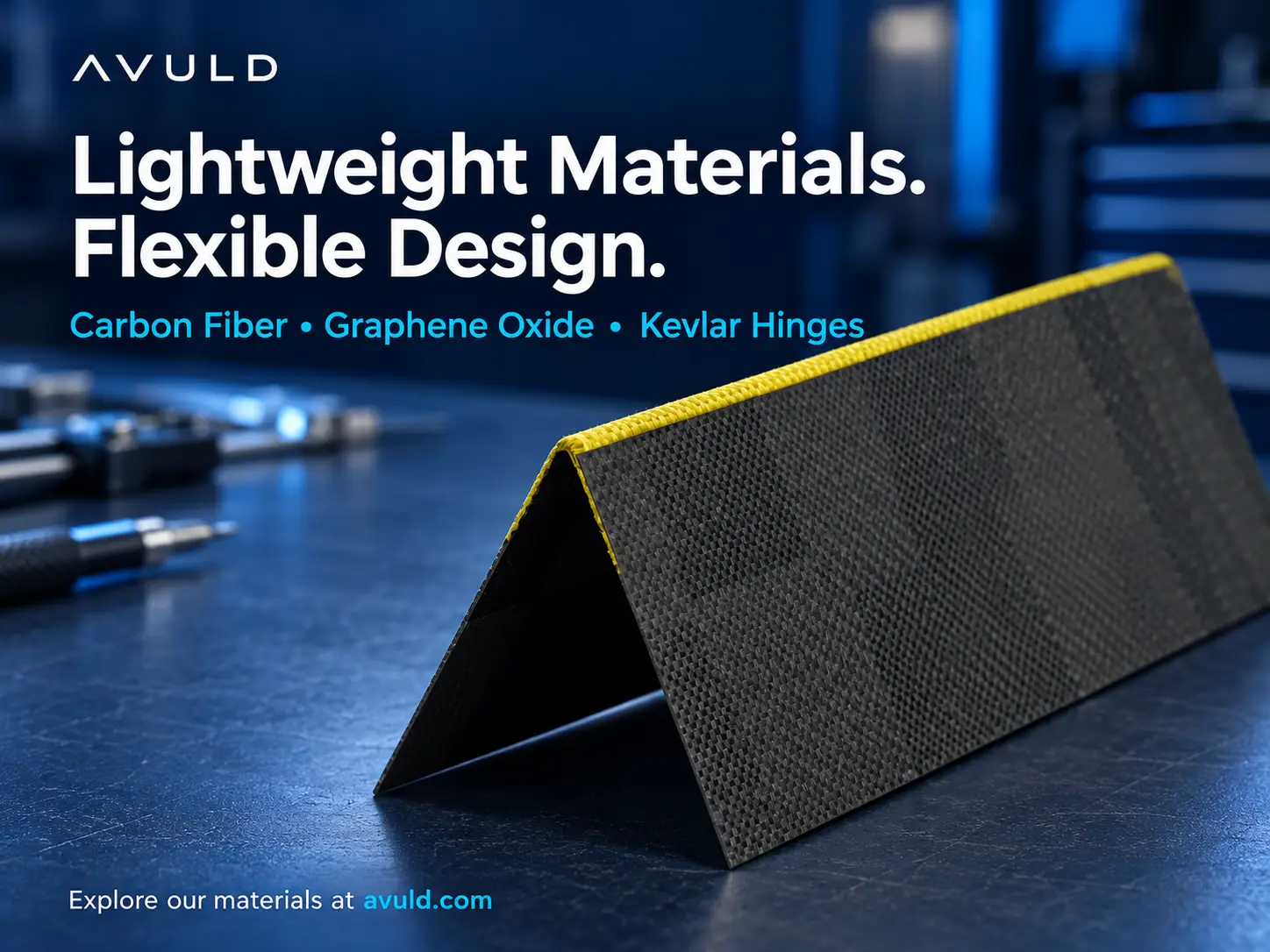
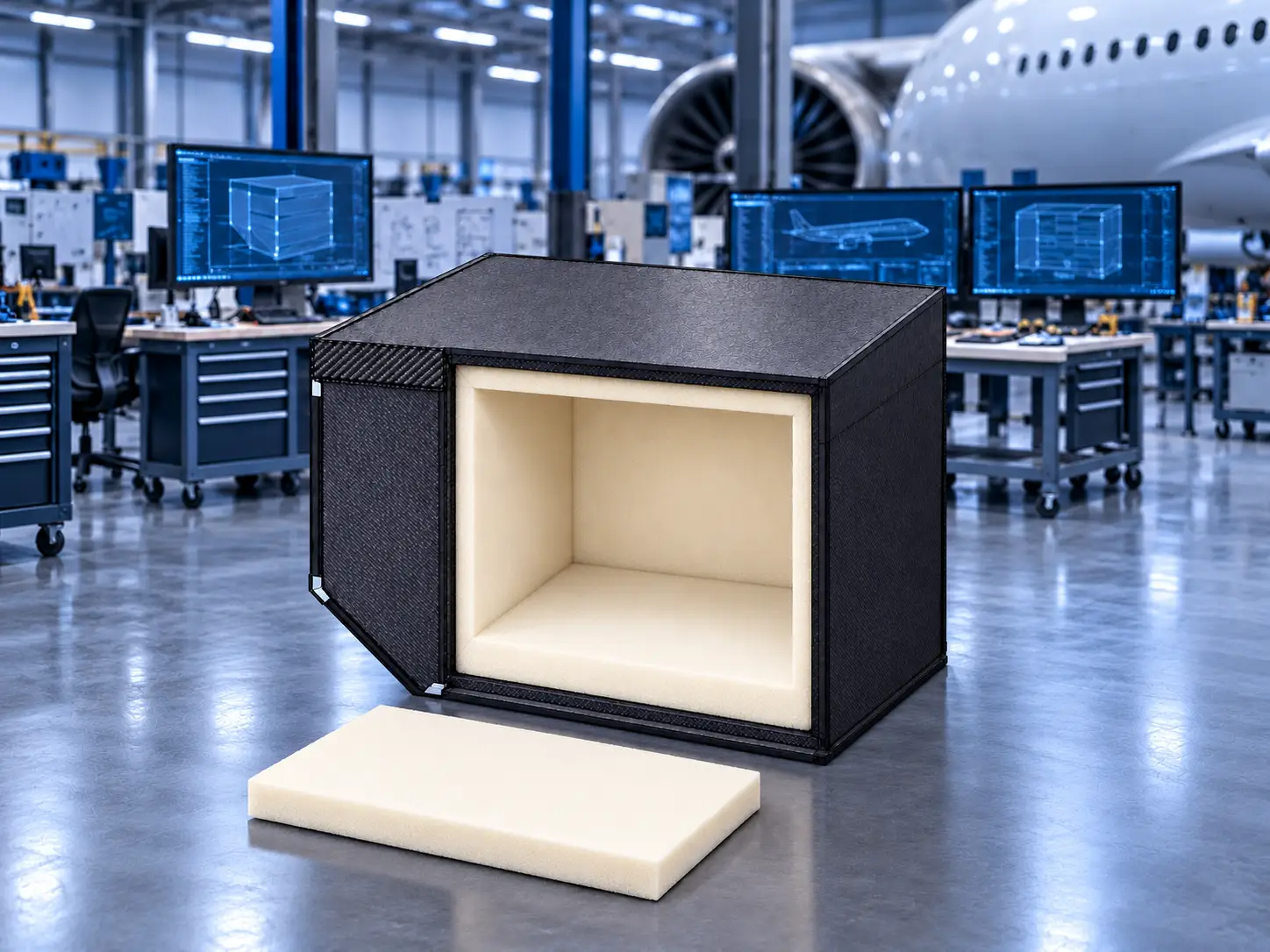
AVULD is developing a lightweight, collapsible air cargo container concept using graphene-enhanced carbon-fiber-reinforced polymer, or CFRP. The project is at the concept and engineering-development stage. Engineering drawings are completed, and AVULD is not currently selling ULDs.
The immediate objective is to build the right development partnership. That discussion should begin with operating requirements, material and structural questions, manufacturing capability and the evidence needed to evaluate a future design. A concept description or animation should not be treated as completed engineering proof.
For airline cargo and ULD fleet teams, a useful starting point is the intended operating environment. Container handling, aircraft and cargo-system interfaces, inspection, repairability and day-to-day asset management all belong in an engineering brief. These are topics for evaluation, rather than claims of demonstrated suitability.
Composite engineering and manufacturing partners can help translate the proposed graphene-enhanced CFRP approach into a defined material system and production concept. Laminate design, joints, folding mechanisms, manufacturing repeatability and test methods will require specific engineering work. No particular weight reduction, structural result or certification status is established by the current concept.
ULD management, leasing, pooling and sales companies can contribute a different perspective: how a proposed collapsible container might fit into real logistics networks. Empty-return movements, storage arrangements, repair networks and asset availability should be examined using actual operating requirements. AVULD is seeking those insights, rather than presenting an already-operating commercial leasing or pooling service.
Aviation investors may evaluate the proposed development milestones and the evidence required at each stage. Drawings, engineering analysis, prototypes, testing, manufacturing planning and an eventual licensing package are separate workstreams. Their timing, costs and outcomes remain matters for a development plan, not promises of investment return.
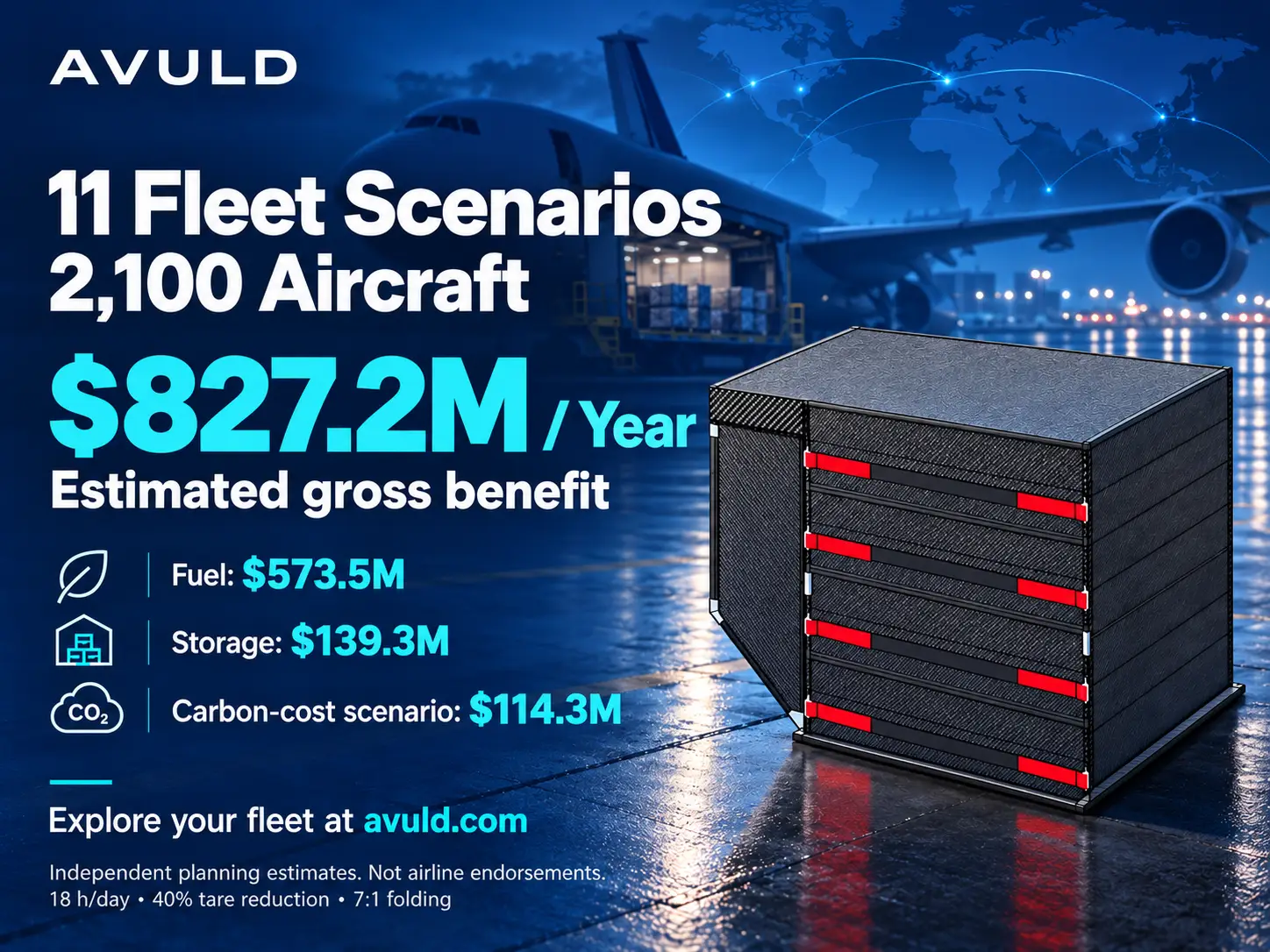
The existing AVULD savings calculator can support early discussions by making assumptions visible. Its airline cases and editable operating inputs produce planning scenarios. They do not establish airline endorsement, verified operator costs, guaranteed savings or net investment payback. Numerical conclusions should remain tied to their specific assumptions and reviewed evidence.
AVULD invites discussions about engineering collaboration, development investment and a potential licensing pathway. The next step is to define what each partner can contribute, what needs to be validated and which milestones would make the concept ready for a more detailed commercial discussion.
Explore the AVULD operating savings calculator — editable planning scenarios.